Wholesale Dates for the Uzbekistan Market
PERSA supplies premium Iranian dates to importers, wholesalers, supermarket chains, food manufacturers, and retail distributors across Uzbekistan, combining consistent product quality with reliable overland export logistics. Our export-grade date varieties—including Mazafati, Piarom, Zahedi, Kalute, and Rabbi—are available in bulk and retail packaging to meet the diverse requirements of the Uzbek market. Supported by efficient road and rail transportation, temperature-controlled logistics for fresh varieties, and flexible wholesale supply programs, we help Uzbek businesses secure a dependable year-round source of Iranian dates while supporting distribution across Uzbekistan and the wider Central Asian region.

Would you like to get more familiar with the varieties of dates we can supply?
Wholesale Iranian Dates for Uzbekistan: Key Export Information
PERSA is a direct Iranian exporter supplying premium wholesale dates to importers, wholesalers, supermarket chains, food manufacturers, and private label partners across Uzbekistan. We export a wide range of Iranian date varieties, including Mazafati, Piarom, Zahedi, Kalute, and Rabbi, supported by reliable overland logistics, export-grade packaging, cold-chain management for fresh varieties, and flexible B2B supply programs.
As one of Central Asia’s fastest-growing food import markets, Uzbekistan offers strong opportunities for wholesale date distribution through modern retail chains, traditional wholesale markets, and industrial food processing companies. Our export solutions are designed to help Uzbek buyers secure consistent product quality, stable year-round supply, and efficient distribution across Uzbekistan and neighboring Central Asian markets.
| Export Specification | Details |
|---|---|
| Primary HS Code | 0804.10 – Fresh or Dried Dates |
| Export Origin | Iran |
| Main Destination | Tashkent, Uzbekistan |
| Available Varieties | Mazafati, Piarom, Zahedi, Kalute, Rabbi |
| MOQ | 1 Full Truckload (FTL) or Rail Container |
| Packaging Options | Bulk Cartons, Retail Packs, Private Label (OEM) |
| Cold Chain | Available for Fresh Date Varieties |
| Primary Transport | Road Freight • Rail Freight |
| Typical Transit Time | 5–14 Days Depending on Transport Mode |
| Incoterms | FCA • FOB • CIF |
Understanding the Wholesale Dates Market in Uzbekistan
Uzbekistan is one of the fastest-growing food import markets in Central Asia and represents an important destination for wholesale date exports. With a population of more than 36 million, rising urbanization, and increasing demand for packaged food products, the country offers strong opportunities for importers, wholesalers, supermarket chains, and food manufacturers sourcing premium dates.
Although Uzbekistan has a well-developed agricultural sector producing fruits such as grapes, melons, apricots, and cherries, its continental climate is not suitable for commercial date cultivation. As a result, all commercial demand for dates is supplied through imports, creating a stable market for international exporters.
Iran has become one of the preferred sourcing origins for Uzbek buyers due to its geographical proximity, competitive transportation costs, wide selection of date varieties, and reliable overland logistics. Compared with more distant suppliers, Iranian exporters can provide shorter lead times, greater supply flexibility, and a broader range of products suitable for different wholesale price segments.
Who Imports Wholesale Dates in Uzbekistan?
Wholesale dates are imported by several categories of professional buyers, each serving different distribution channels and end-user markets.
The primary importers include:
- National food importers and wholesale distributors
- Supermarket and retail chain procurement departments
- Traditional wholesale market traders
- Food manufacturers producing snacks, bakery products, confectionery, and natural sweeteners
- Private label companies and food packaging businesses
Each buyer group has different procurement priorities regarding product variety, moisture content, packaging format, order volume, and delivery schedules, making flexible export programs an important advantage for long-term cooperation.
Wholesale Distribution Channels for Dates in Uzbekistan
Imported dates enter Uzbekistan through established wholesale distribution networks before reaching retailers, food manufacturers, or neighboring Central Asian markets.
The main distribution channels include:
- Traditional wholesale markets and bazaars
- Modern supermarket chains
- Regional wholesale distributors
- Food processing companies
- HoReCa suppliers serving hotels, restaurants, and catering businesses
Traditional bazaars continue to play an important role in bulk date sales, particularly for loose products sold by weight. At the same time, modern retail chains are steadily increasing their market share, driving higher demand for standardized retail packaging, consistent grading, barcode labeling, and year-round product availability.
Industrial Demand for Iranian Dates
In addition to retail consumption, Uzbekistan’s food manufacturing sector has become an increasingly important buyer of bulk dates.
Industrial processors purchase large quantities of semi-dry varieties for applications such as:
- Date paste production
- Bakery ingredients
- Confectionery manufacturing
- Snack products
- Natural sweeteners
- Energy bars and healthy food products
For industrial buyers, consistent moisture levels, stable sugar content, processing efficiency, and uninterrupted supply are generally more important than premium visual appearance. As a result, varieties such as Zahedi, Rabbi, and other semi-dry dates are widely used in food manufacturing due to their long shelf life, transport stability, and cost efficiency.
Why Uzbekistan Is a Strategic Market for Bulk Date Exports
Beyond domestic consumption, Uzbekistan serves as an important commercial gateway to Central Asia. Its strategic location and expanding logistics infrastructure allow importers to distribute products efficiently to neighboring markets, including Kyrgyzstan and Tajikistan.
For this reason, many professional buyers prioritize suppliers capable of providing:
- Consistent year-round production
- Reliable overland transportation
- Export documentation support
- Flexible packaging options
- Stable product quality across multiple shipments
Establishing long-term partnerships with experienced exporters helps reduce supply chain risks, improve inventory planning, and ensure uninterrupted availability throughout seasonal demand fluctuations.
Choosing the Right Date Variety for the Uzbekistan Market
Selecting the appropriate date variety is one of the most important decisions for wholesale buyers in Uzbekistan. Purchasing requirements vary significantly depending on whether the products are intended for supermarkets, wholesale markets, food manufacturers, or private label programs.
Each Iranian date variety offers different advantages in terms of texture, moisture content, shelf life, transportation requirements, and commercial positioning. Understanding these differences helps importers optimize both logistics costs and downstream distribution.
Which Date Variety Is Best for Your Business?
Rather than focusing only on product characteristics, professional buyers typically select varieties based on their intended sales channel.
| Business Type | Recommended Variety | Main Reason |
|---|---|---|
| Supermarkets & Retail Chains | Mazafati | Premium appearance, soft texture, and strong consumer recognition. |
| Wholesale Markets & Bazaars | Zahedi, Kalute | Competitive pricing, excellent transport stability, and extended shelf life. |
| Food Manufacturers | Zahedi | Ideal for producing date paste, syrup, bakery ingredients, and confectionery products. |
| Premium Retail & Corporate Gifts | Piarom | Premium appearance, natural sweetness, and high-end market positioning. |
| Private Label (OEM) Programs | Mazafati, Piarom, Kalute | Flexible packaging, customized branding, and retail-ready presentation. |
Different market segments require different date varieties. Supermarket chains generally prioritize premium appearance and consistent retail presentation, while wholesale distributors focus on transportation efficiency, shelf life, and competitive pricing. Food manufacturers typically select varieties that deliver stable processing performance, whereas private label programs require greater flexibility in packaging and branding.
Selecting the right variety is therefore not only a product decision but also a logistics and market-positioning strategy. Matching the product to its intended sales channel helps improve inventory turnover, reduce transportation costs, and maximize long-term commercial performance.
Wholesale Procurement Process and Commercial Terms
Successful wholesale date imports are based on careful planning rather than short-term purchasing decisions. Professional importers typically establish procurement schedules several weeks or months before seasonal demand increases to secure product availability, stable pricing, and efficient logistics.
For buyers serving supermarkets, wholesalers, or food manufacturers, coordinating production, packaging, transportation, and customs documentation in advance helps reduce supply chain disruptions and ensures timely delivery.
Seasonal Procurement Planning
Demand for dates in Uzbekistan follows predictable purchasing cycles, with the highest activity occurring before Ramadan and during annual inventory replenishment periods.
The typical procurement timeline is:
Many industrial buyers also negotiate annual supply agreements shortly after the harvest season to secure production capacity and minimize exposure to seasonal price fluctuations.
Long-Term Supply Agreements vs. Spot Purchases
Although spot-market purchases may occasionally offer short-term price advantages, they often involve greater uncertainty regarding product availability, grading consistency, and delivery schedules.
For this reason, many professional importers prefer long-term sourcing programs that provide:
More predictable product availability throughout the year
Greater consistency in grading and product specifications
Improved production and inventory planning
Better logistics coordination
Reduced exposure to seasonal market fluctuations
For suppliers serving retail chains or food manufacturers, supply continuity is often more valuable than achieving the lowest purchase price on a single shipment.
Export Terms and Documentation
Clear commercial terms and complete export documentation help simplify international transactions and reduce customs-related delays.
PERSA primarily supports international shipments under the following Incoterms, depending on the buyer’s logistics strategy:
FCA (Free Carrier) – suitable for buyers managing their own international transportation after delivery to the agreed location.
FOB (Free on Board) – commonly used for shipments moving through Iranian seaports where ocean freight is arranged by the buyer.
CIF (Cost, Insurance and Freight) – preferred by buyers seeking an integrated export solution with freight and insurance included to the agreed destination port.
The most suitable Incoterm depends on the shipment route, transportation method, and the buyer’s preferred logistics responsibilities.
Standard Export Documentation
Each export shipment is accompanied by the documents normally required for international customs clearance and cargo transportation, including:
Commercial Invoice
Packing List
Certificate of Origin
Phytosanitary Certificate
Health Certificate (where applicable)
Transport documents such as CMR (road freight), Bill of Lading (sea freight), or Rail Waybill / SMGS (rail freight)
Import clearance procedures, local customs formalities, and destination-specific regulatory requirements remain the responsibility of the importer or their appointed customs broker.
Minimum Order Quantity and Payment Terms
The recommended minimum order quantity for direct wholesale exports is typically one full 20-foot container or one full truckload, depending on the selected transportation method and product variety. Mixed-variety shipments may also be arranged subject to product availability and commercial agreement.
Payment terms are determined individually according to the buyer’s country, banking accessibility, order volume, and mutually agreed commercial conditions. PERSA supports flexible international payment arrangements designed to facilitate secure and transparent B2B transactions.
Why Bulk Packaging Performs Better Than Retail Packs for Uzbekistan
Unlike many export destinations where finished retail packaging is shipped directly to distributors, the Uzbek market often follows a different procurement model.
Many professional importers prefer receiving fresh dates in bulk export cartons rather than fully packaged consumer boxes. The decision is driven by transportation efficiency, product protection, and greater flexibility for local distribution rather than by packaging cost alone.
Reducing Heat Exposure During Overland Transportation
International road transport to Uzbekistan passes through long overland corridors where cargo may experience high ambient temperatures, border inspections, and temporary waiting periods. Even when refrigerated vehicles are used, repeated door openings, loading delays, or localized airflow variations inside the trailer can create temperature fluctuations around individual packages.
Small retail cartons contain relatively little product mass, allowing them to respond more quickly to temperature changes than larger bulk cartons. Larger packaging units provide greater thermal stability, helping maintain more consistent product temperatures throughout transportation.
Why Many Importers Repack Products Locally
For this reason, many wholesale buyers import fresh dates in 10 kg export cartons fitted with food-grade polyethylene liners. After customs clearance, the products are transferred to local packaging facilities or distribution warehouses, where they are packed into retail-ready formats according to customer requirements.
This approach provides several commercial advantages:
- Better protection during long-distance transportation
- Lower risk of packaging damage during repeated handling
- Greater flexibility for private label programs
- Easier adaptation to local retail packaging requirements
- More efficient warehouse inventory management
For many Uzbek distributors, bulk import followed by local retail packaging offers a practical balance between product quality, logistics efficiency, and market flexibility.
Logistics and Cold Chain for Bulk Dates Export to Uzbekistan
Transporting dates from Iran to Uzbekistan requires careful planning across long overland corridors, multiple border crossings, and highly variable continental climates. Selecting the appropriate transportation method depends not only on cost but also on the moisture content, shelf life, and storage requirements of each date variety.
For professional importers, matching the logistics solution to the product characteristics is essential for maintaining quality throughout the supply chain.
Main Export Routes for Bulk Dates to Uzbekistan
Most commercial shipments follow established overland transportation corridors connecting Iranian production regions with major distribution centers in Tashkent and other Uzbek cities.
🌴 Iran Production Sorting • Grading • Packing | ➜ | 📦 Mashhad Logistics Hub Container Loading Pre-cooling Inspection | ➜ | 🛃 Sarakhs Border Export Clearance Customs Procedures | ➜ | 🚛 Turkmenistan Transit Temperature-Controlled Road Transportation | ➜ | 🚧 Farap / Olot Border Import Customs Border Inspection | ➜ | 🏬 Tashkent Distribution Cold Storage Wholesale Delivery |
The final transportation method is selected according to product type, shipment volume, delivery schedule, and customer requirements.
Choosing the Right Transportation Method
Refrigerated Road Freight
The preferred solution for fresh date varieties that require continuous cold-chain management throughout the journey.
| Transit Time | Approximately 5–8 Days |
| Best For | Mazafati and other fresh varieties |
| Key Benefit | Continuous temperature control with faster delivery |
| Recommended When | Product freshness and premium quality are the highest priorities. |
Rail Freight
A cost-efficient transport option for shelf-stable date varieties shipped in large commercial volumes.
| Transit Time | Approximately 10–14 Days |
| Best For | Zahedi, Piarom and other semi-dry varieties |
| Key Benefit | Lower transportation cost for bulk shipments |
| Recommended When | Long shelf life and freight efficiency are the primary objectives. |
Cold Chain Requirements for Fresh Dates
Fresh date varieties such as Mazafati require uninterrupted refrigerated transportation throughout the export journey. Maintaining a stable temperature helps preserve texture, appearance, and moisture while reducing the risk of fermentation, syrup leakage, or quality deterioration.
During summer, refrigerated trailers protect the cargo from prolonged exposure to high ambient temperatures experienced across Central Asian transit corridors. In winter, temperature-controlled transport also prevents freezing damage that may affect the cellular structure and overall product quality.
Continuous monitoring of reefer units, together with proper pre-cooling before loading, forms an essential part of a reliable cold chain.
Logistics Considerations for Semi-Dry Varieties
Semi-dry varieties such as Zahedi and Piarom offer greater transportation flexibility because of their naturally lower moisture content. These products tolerate longer transit periods and are well suited to both road and rail transportation when packed in export-grade cartons under appropriate storage conditions.
For large-volume industrial buyers and wholesale distributors, rail freight often provides an efficient balance between transportation cost and delivery performance, particularly for products intended for long-term storage or further processing.
Factors That Influence Transit Performance
Although transportation schedules are generally predictable, actual transit times may vary depending on operational conditions along the route, including:
Border inspection and customs clearance
Seasonal weather conditions
Transportation mode
Cargo handling at logistics terminals
Final delivery destination within Uzbekistan
Planning shipments in advance—particularly before seasonal demand peaks such as Ramadan—helps reduce potential delays and supports more efficient inventory management.
Why Uzbek Importers Source Iranian Dates
Iran is one of the world’s largest producers and exporters of dates, offering a diverse portfolio of commercial varieties suitable for wholesale distribution, modern retail, food manufacturing, and private label programs. For Uzbek importers, sourcing multiple varieties from a single origin simplifies procurement, quality control, and logistics while reducing operational complexity.
Different market segments require different date varieties. Fresh dates are typically selected for premium retail shelves and seasonal promotions, while semi-dry and dry varieties are widely used in wholesale markets, industrial processing, and long-distance distribution due to their extended shelf life and greater transport stability.
Many professional buyers combine several varieties within the same procurement program to serve multiple customer segments, optimize warehouse utilization, and maintain consistent product availability throughout the year. Working with a single export partner also streamlines documentation, shipment coordination, and quality consistency across every order.
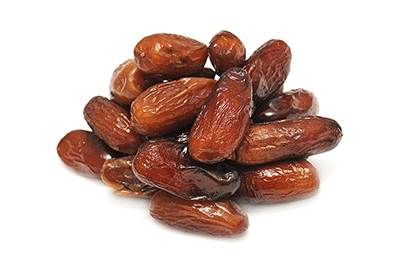
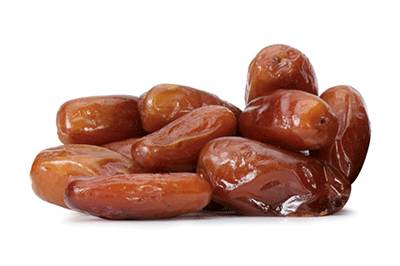
Explore Our Export-Grade Iranian Date Varieties
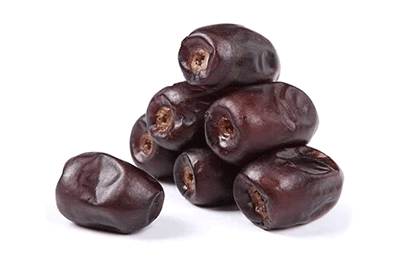
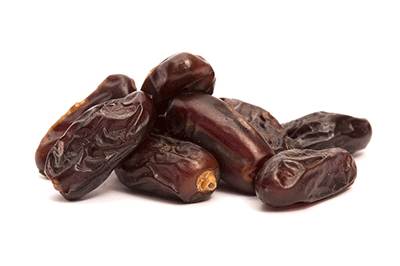
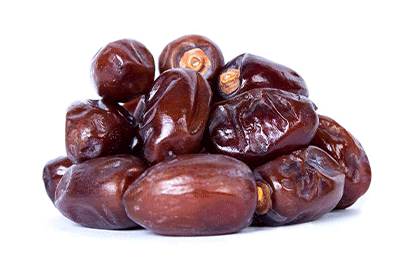
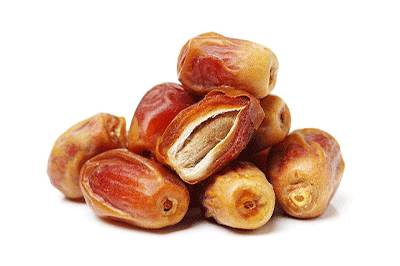
Discover wholesale date varieties available for export to Uzbekistan, including fresh, semi-dry, and premium selections for retail, food manufacturing, and private label applications.



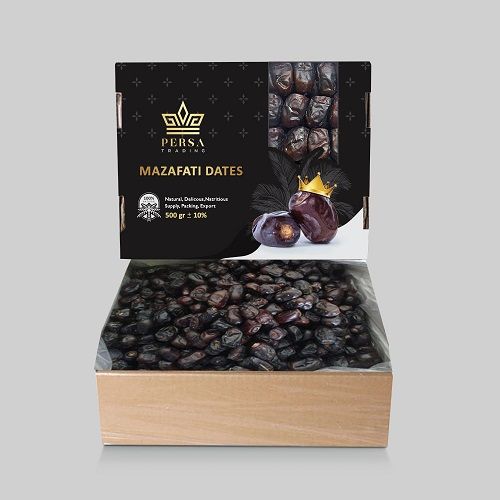
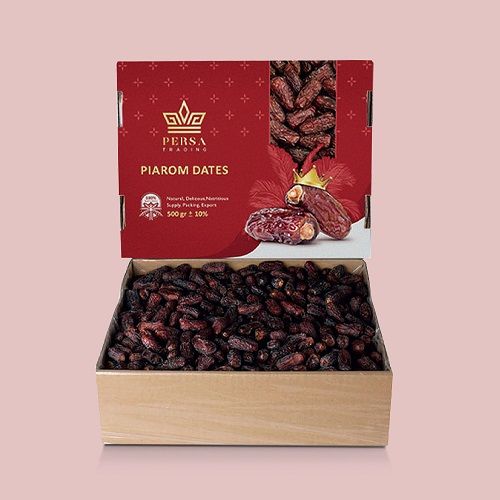
Private Label (OEM) Packaging for Uzbekistan and Central Asian Markets
Many Uzbek importers supply not only domestic supermarket chains but also wholesalers and regional distributors serving neighboring Central Asian markets. As a result, packaging requirements often extend beyond product protection and become an important part of inventory management, brand positioning, and downstream distribution.
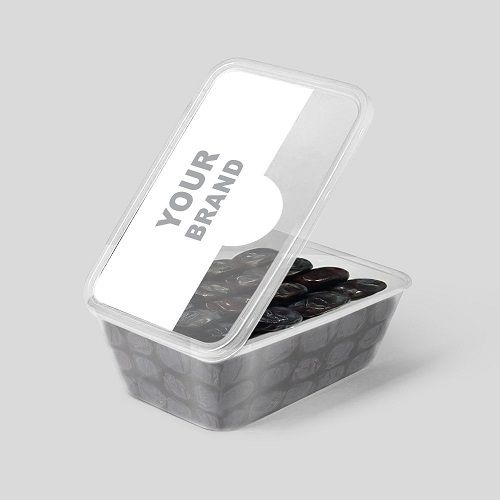
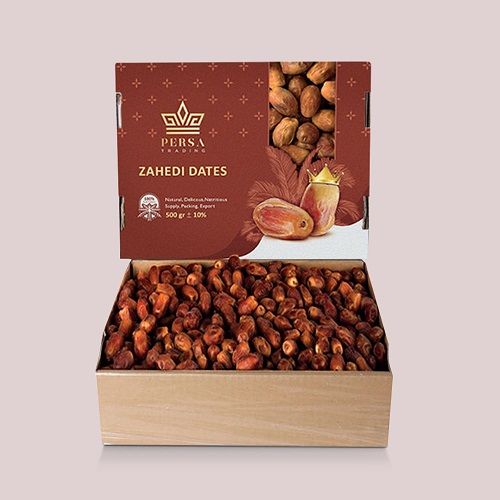
PERSA provides flexible Private Label (OEM) packaging solutions designed for importers, retail chains, food distributors, and private brands operating in Uzbekistan. Whether the objective is to launch a new retail brand, supply supermarket shelves, or distribute products across Central Asia, our packaging programs can be adapted to different commercial requirements while maintaining consistent product specifications and export quality.
OEM Packaging and Branding Options
Our production facilities support a wide range of export and retail packaging solutions, including:
- Custom retail cartons and bulk export cartons
- Private label logo printing
- Multi-language packaging (Uzbek, Russian, English, or other languages upon request)
- EAN / GS1 barcode printing
- Production date, batch number, and traceability coding
- Pallet stretch wrapping and corner protection
- Export shipping marks and carton identification
- Custom packaging dimensions based on retail or wholesale requirements
Packaging artwork is prepared according to the buyer’s branding guidelines before production begins, helping ensure consistency across all production batches and future repeat orders.




Retail Packaging or Bulk Packaging?
For the Uzbek market, packaging selection depends largely on the buyer’s distribution model.
Importers supplying supermarket chains often prefer consumer-ready retail packaging for immediate shelf placement, while wholesale distributors and regional trading companies frequently import 5 kg or 10 kg bulk cartons and perform final retail packing after customs clearance. This approach can improve logistics efficiency, simplify inventory management, and provide greater flexibility when supplying different customer segments.
PERSA supports both business models, allowing buyers to choose packaging configurations that align with their sales channels and operational strategy.
Packaging Lead Time: Private Label (OEM) production typically requires approximately 7–10 working days after final artwork approval and order confirmation. This production schedule allows importers to coordinate packaging, transportation, and inventory planning before seasonal demand periods such as Ramadan or year-end retail campaigns.
Multi-Language Labeling for Uzbekistan
Retail products distributed in Uzbekistan may require packaging tailored to different sales channels and regional markets. Depending on the buyer’s requirements, PERSA can prepare labels in Uzbek, Russian, English, or multilingual formats suitable for both domestic retail and cross-border distribution.
Typical label information includes:
- Product name
- Country of origin
- Ingredients
- Net weight
- Production and expiry dates
- Storage instructions
- Batch number
- Barcode (EAN/GS1)
- Importer information (where required)
For buyers using Uzbekistan as a regional distribution hub, multilingual labeling can simplify product movement into neighboring Central Asian markets while maintaining a consistent brand identity.
Uzbekistan as a Distribution Hub for Central Asia
Beyond serving its own growing consumer market, Uzbekistan has become an important distribution hub for Central Asia. Its central geographic location and direct land borders with Kazakhstan, Kyrgyzstan, Tajikistan, Turkmenistan, and Afghanistan make it an efficient entry point for regional wholesale trade.
Many importers establish inventory in Tashkent before supplying customers across neighboring markets. This approach simplifies inventory management, shortens delivery times, and enables buyers to consolidate procurement through a single import operation rather than arranging separate international shipments for each destination.
After customs clearance, wholesale shipments are stored and redistributed from Tashkent to major commercial markets across Central Asia.
Kazakhstan
Primary Hub:
Shymkent
Kyrgyzstan
Primary Hub:
Osh
Tajikistan
Primary Hub:
Khujand
Professional wholesalers commonly import full truckloads or container shipments into Uzbekistan before redistributing smaller commercial volumes throughout the region. This model supports wholesale distributors, supermarket supply chains, food manufacturers, and regional trading companies that require flexible inventory allocation across multiple destinations.
For companies serving several Central Asian markets, sourcing multiple export-grade date varieties from a single supplier also helps standardize product specifications, simplify documentation, and improve purchasing efficiency across the regional supply chain.
Key Advantages of Using Uzbekistan as a Regional Distribution Hub
| Regional Advantage | Business Value for Importers |
|---|---|
| Central Geographic Location | Provides efficient access to multiple Central Asian markets through a single regional logistics hub. |
| Inventory Consolidation | Allows importers to manage inventory from one location instead of coordinating separate international shipments. |
| Flexible Regional Distribution | Supports efficient deliveries to wholesalers, retailers, and food manufacturers throughout Central Asia. |
| Simplified Procurement | Multiple export-grade date varieties can be sourced from a single supplier under one coordinated procurement program. |
Frequently Asked Questions About Bulk Dates Export to Uzbekistan
What is the minimum order quantity (MOQ) for bulk date exports to Uzbekistan?
Our standard minimum order quantity is one full truckload (FTL) or one export container, depending on the selected transport method and date variety. This helps maintain product quality, optimize freight costs, and ensure efficient international logistics.
Which Iranian date variety is most suitable for the Uzbek market?
The best variety depends on your business model.
- Mazafati is widely selected for supermarkets and premium retail.
- Zahedi is preferred for wholesale distribution and food manufacturing.
- Kalute offers a balance between retail quality and commercial value.
- Piarom targets premium retailers and specialty food stores.
Many importers purchase multiple varieties within one procurement program to serve different customer segments.
How long does shipping from Iran to Uzbekistan usually take?
Transit time depends on the transportation method.
- Refrigerated road freight typically requires 5–8 days.
- Rail freight for shelf-stable varieties generally takes 10–14 days.
Actual delivery schedules may vary depending on customs clearance and border processing.
Do fresh Mazafati dates require refrigerated transportation?
Yes.
Mazafati dates should be transported under a continuous cold chain to preserve texture, flavor, and shelf life. Refrigerated transportation helps minimize the risk of fermentation and quality deterioration during long-distance export.
Can I order private label (OEM) packaging for Uzbekistan?
Yes.
PERSA provides complete Private Label (OEM) services, including custom retail packaging, bulk export cartons, multilingual labeling, barcode printing, pallet protection, and branding according to your commercial requirements.
What export documents are provided with each shipment?
Each shipment is supplied with the standard export documentation required for international trade, including:
- Commercial Invoice
- Packing List
- Certificate of Origin
- Phytosanitary Certificate
- Health Certificate (where applicable)
- Transport documents (CMR or rail documentation, depending on the shipment)
Additional documents can be prepared based on the destination country’s import requirements.
Which Incoterms does PERSA support for exports to Uzbekistan?
We commonly work under internationally recognized Incoterms including FCA, FOB, and CIF, depending on the buyer’s logistics preferences and shipping arrangements. The most suitable Incoterm is determined during commercial negotiations.
Can shipments include multiple date varieties?
Yes.
Mixed shipments allow buyers to supply different customer segments while reducing procurement complexity. Combining premium and semi-dry varieties within one export program can improve inventory planning and warehouse utilization.
How is product quality maintained during transportation?
Quality is protected through export-grade packaging, appropriate palletization, careful pre-loading inspections, and temperature-controlled transportation for fresh varieties. Packaging configurations are selected according to the product type and transportation route to reduce handling risks during transit.
Can Uzbekistan be used as a distribution hub for neighboring Central Asian markets?
Yes.
Many importers use Uzbekistan as a regional distribution center for supplying Kazakhstan, Kyrgyzstan, and Tajikistan. This approach helps consolidate inventory, simplify procurement, and improve distribution efficiency across Central Asia.
Dates
Request Bulk Dates Pricing for Uzbekistan Importers
Contact us! Our sales team will reach out as soon as possible.