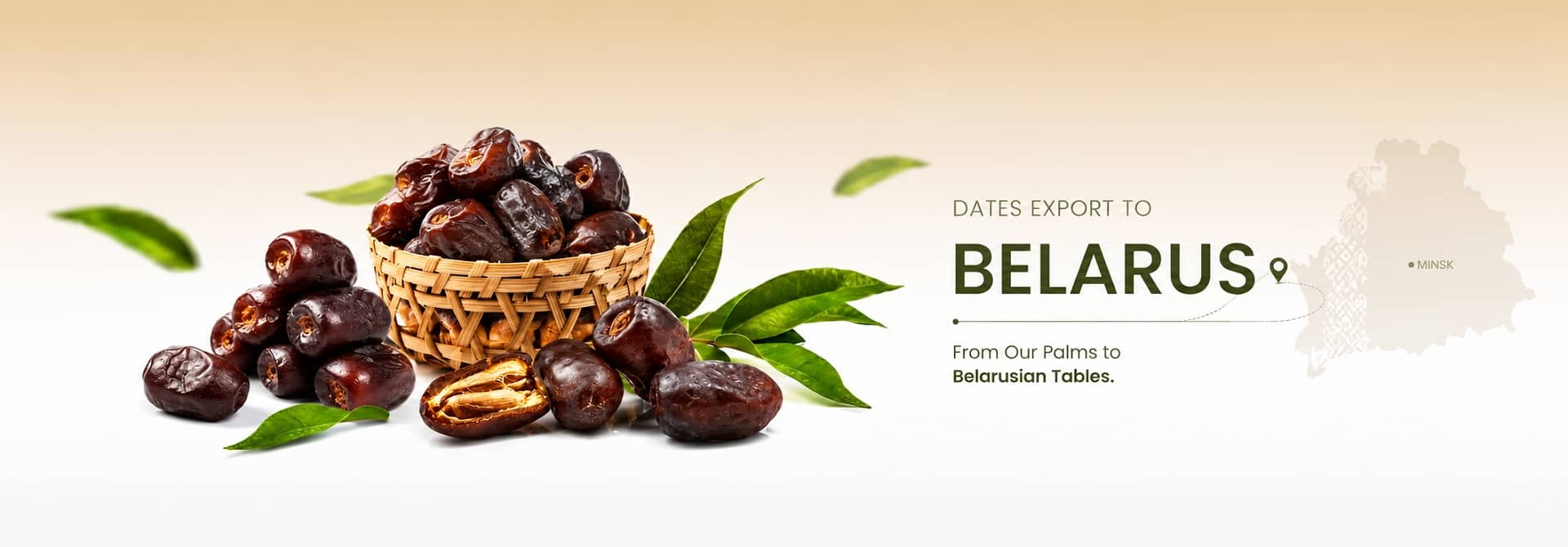
Wholesale Dates for the Belarusian Market
PERSA supplies premium Iranian dates to importers, wholesalers, retail chains, and food distributors across Belarus, delivering consistent quality backed by dependable export logistics. Our export-grade date varieties—including Mazafati, Piarom, Zahedi, and Rabbi—are available in bulk and retail packaging tailored to the needs of the Belarusian market. With optimized transport routes, temperature-controlled logistics for fresh varieties, and flexible wholesale supply programs, we help Belarusian businesses secure a stable and long-term source of Iranian dates while supporting efficient distribution throughout the Eurasian Economic Union (EAEU).

Would you like to get more familiar with the varieties of dates we can supply?
Wholesale Iranian Dates for Belarus: Key Export Information
PERSA is a direct Iranian exporter supplying wholesale dates to importers, distributors, supermarket chains, and private label partners across Belarus. We export premium Iranian date varieties, including Mazafati, Piarom, Zahedi, and Rabbi, supported by temperature-controlled logistics, export-grade packaging, and flexible B2B supply programs. Our solutions are designed to help Belarusian buyers secure consistent product quality, reliable year-round supply, and efficient distribution throughout the Belarusian market and the wider Eurasian Economic Union (EAEU).
| Export Specification | Details |
|---|---|
| Primary HS Code | 0804.10 – Fresh or Dried Dates |
| Export Origin | Iran |
| Main Destination | Minsk, Belarus |
| Available Varieties | Mazafati, Piarom, Zahedi, Rabbi |
| MOQ | 1 × 20ft Reefer Container |
| Packaging | Bulk Cartons, Retail Packs, Private Label |
| Cold Chain | Available for Fresh Date Varieties |
| Transit Options | Road • Rail • Sea + Road |
| Transit Time | 12–28 Days Depending on Route |
| Incoterms | FCA • FOB • CIF |
Belarus as a Destination-Specific Market for Bulk Dates
Belarus has developed into a stable destination for imported food products, supported by a well-established wholesale sector and its membership in the Eurasian Economic Union (EAEU). Unlike many European markets that rely on fragmented distribution channels, food imports in Belarus typically move through professional importers, regional distributors, and centralized warehouse networks before reaching supermarkets, food manufacturers, or neighboring EAEU countries.
For Iranian date exporters, this creates different commercial priorities than exporting to Western Europe. Product consistency, reliable logistics, and complete export documentation often carry greater weight than short-term price competition. Buyers generally seek suppliers capable of maintaining uninterrupted deliveries throughout the year while meeting agreed packaging, quality, and logistics specifications.
The Belarusian Market for Imported Dates
The Belarusian market is primarily business-oriented, with most imported dates entering the country through specialized food importers and wholesale distributors. Demand is concentrated in premium retail stores, supermarket chains, food service companies, confectionery manufacturers, and businesses that repack imported products under their own brands.
Unlike seasonal consumer markets where purchasing fluctuates significantly, professional buyers in Belarus generally operate on planned procurement cycles. This allows importers to optimize inventory levels, secure predictable supply schedules, and reduce purchasing risks associated with seasonal shortages or sudden price fluctuations.
Another important characteristic is the country’s strategic position within the Eurasian Economic Union. Once products complete the necessary import procedures, many distributors can efficiently serve additional regional markets through established logistics networks, making Belarus an attractive destination for long-term supply partnerships.
Who Imports Iranian Dates in Belarus?
Iranian dates are imported into Belarus by a diverse range of B2B buyers serving both the domestic market and professional food supply chains. Rather than relying on small-scale trading, most imports are managed by established companies with experience in international procurement, customs clearance, warehousing, and wholesale distribution.
The primary importers of Iranian dates include:
- Food import and distribution companies
- National and regional wholesale distributors
- Supermarket and retail chain procurement departments
- Private label and OEM brand owners
- Food processing and confectionery manufacturers
- HoReCa suppliers serving hotels, restaurants, and catering businesses
- Repacking companies supplying retail-ready products
Each buyer segment has different commercial requirements. Retail chains typically prioritize consumer-ready packaging, Russian-language labeling, and consistent product appearance. Food manufacturers focus on stable year-round availability, bulk packaging, and reliable product specifications for industrial processing. Wholesalers and distributors generally seek flexible packaging options, dependable logistics, and long-term supply agreements that support predictable inventory planning.
For Iranian exporters, understanding these purchasing priorities is essential to developing successful commercial relationships in the Belarusian market. Offering multiple date varieties, customized packaging, and reliable export logistics enables suppliers to meet the diverse needs of professional buyers across different distribution channels.
How Iranian Dates Are Imported into Belarus
Most Iranian dates enter Belarus through full-container wholesale shipments managed by professional food importers and distribution companies. Compared with small-volume consignments, full-container loads provide greater transportation efficiency, lower unit logistics costs, and improved inventory planning for importers.
The choice of transport method depends on the date variety, delivery schedule, and storage requirements. Fresh Mazafati dates are typically transported in refrigerated containers to maintain their soft texture and moisture content throughout the journey. Semi-dry varieties such as Zahedi, Rabbi, and Piarom are more tolerant of extended transportation and are commonly selected for wholesale distribution, food manufacturing, and long-term warehousing due to their naturally longer shelf life.
Most importers plan purchases several months in advance rather than relying on spot-market availability. This procurement strategy helps secure consistent product quality, stable pricing, and predictable delivery schedules while reducing the risks associated with seasonal production cycles and international logistics disruptions.
Upon arrival in Belarus, shipments are transferred to importer warehouses or regional distribution centers before being supplied to supermarkets, wholesalers, food manufacturers, and other commercial buyers. Depending on the importer’s business model, products may be sold in their original export packaging or repacked into retail-ready formats under private label brands.
Key Considerations for the Belarusian Dates Market
Successfully supplying Iranian dates to Belarus requires more than selecting the right product variety. Importers and exporters must consider several operational factors that directly influence product quality, delivery reliability, and long-term commercial success.
One of the most important considerations is selecting the appropriate date variety based on the intended market application. Fresh Mazafati dates are widely preferred for premium retail sales and therefore require continuous cold-chain transportation. Semi-dry varieties such as Zahedi, Rabbi, and Piarom offer longer shelf life and greater flexibility for wholesale distribution, food processing, and long-term storage.
Packaging is another critical factor. Because imported products may pass through multiple handling stages before reaching wholesalers or retail distribution centers, export cartons should provide sufficient resistance to vertical compression and changing humidity conditions. Durable packaging helps maintain both product quality and presentation throughout transportation and warehousing.
Accurate export documentation is equally important. Commercial invoices, packing lists, certificates of origin, phytosanitary certificates, and transport documents should be prepared carefully to support customs clearance and minimize unnecessary delays during the import process.
Procurement planning also plays a significant role in supply chain efficiency. Many professional buyers prefer scheduled purchasing programs rather than relying on occasional spot-market availability. Planning shipments in advance improves production scheduling, transportation coordination, and inventory management while reducing the risk of seasonal supply disruptions.
Finally, successful business relationships in the Belarusian market are built on consistency rather than occasional transactions. Reliable product quality, transparent communication, flexible packaging solutions, and dependable delivery schedules are often the key factors that encourage long-term cooperation between exporters and importers.
Procurement Practices in the Belarusian Dates Market
Unlike occasional spot purchases, wholesale date procurement in Belarus is commonly based on structured purchasing plans designed to ensure stable product availability throughout the year. Importers supplying supermarket chains, food manufacturers, and wholesale distribution networks often prioritize consistency over short-term price fluctuations.
Supplier evaluation typically extends beyond the purchase price. Buyers consider factors such as product quality consistency, the ability to deliver agreed quantities on schedule, accurate export documentation, packaging flexibility, and responsiveness throughout the ordering process. These operational criteria help reduce supply chain disruptions and improve inventory planning.
For exporters, understanding these procurement practices is essential for building long-term commercial relationships. A reliable supply program supported by predictable production schedules and transparent communication often provides greater value to professional buyers than occasional low-priced offers that cannot be sustained over multiple shipments.
Cold Chain Logistics and Transport Routes to Belarus
Transport Routes for Shipping Iranian Dates to Belarus
Three primary logistics corridors handle bulk date shipments destined for Minsk. Each path presents distinct transit times and handling characteristics:| Logistics Corridor | Route Architecture | Typical Transit Time | Optimal Use Case |
|---|---|---|---|
| Direct Road Freight | Iran → Azerbaijan → Russia → Belarus (Minsk) | 12–16 Days | High-priority fresh Mazafati shipments requiring minimal handling. |
| Multimodal Sea + Road | Bandar Anzali / Amirabad → Astrakhan (Russia) → Moscow → Minsk | 18–24 Days | Balanced cost-to-speed ratio for large-volume shipments. |
| Rail Corridor | Iran → Kazakhstan → Russia → Belarus | 20–28 Days | High-volume transportation of shelf-stable semi-dry date varieties. |
Cold Chain Requirements by Date Variety
Maintaining a strict cold chain prevents sugar crystallization, moisture loss, and fermentation. We separate storage and transit parameters into two strict technical categories:- Mazafati Dates: This fresh variety requires continuous refrigeration. Reefer containers must be set between 0°C and +2°C with a relative humidity level maintained strictly between 75% and 85%. Continuous power supply to the refrigeration unit is mandatory throughout the entire overland or multimodal transit.
- Semi-Dry Varieties (Zahedi, Rabbi, Piarom): These varieties possess a lower moisture content, making cooling recommended but less critical to immediate cargo survival. Reefers or ventilated dry containers (where seasonal ambient temperatures permit) should be held between +2°C and +5°C.
Logistics Insight: A 40ft reefer container loaded without pallets (floor-loaded) holds approximately 27 Gross Tons of cargo, maximizing volume. If the cargo is palletized for rapid mechanical unloading in Minsk, the capacity drops to approximately 22 Gross Tons due to pallet weight and airspace requirements.
Reefer Container Best Practices for Fresh Dates
Fresh Mazafati dates should be loaded only after the product has reached its target storage temperature. Loading warm pallets into a refrigerated container increases the cooling load and may cause uneven temperature distribution during the first days of transit. Before loading begins, the reefer unit should be pre-cooled to the required operating temperature. The container is designed to maintain product temperature rather than rapidly cool warm cargo. Proper pre-cooling helps stabilize the internal environment immediately after loading and reduces temperature fluctuations throughout the journey. To maintain continuous refrigeration, the reefer unit should remain connected to an uninterrupted power supply during road transport, port handling, and multimodal transfers. Any prolonged interruption may accelerate moisture loss and shorten product shelf life.Air Circulation Inside Reefer Containers
Effective air circulation is essential for maintaining a uniform temperature throughout the container. Cartons should never be stacked directly against the evaporator outlet or the container ceiling, as blocked airflow creates localized warm zones that can affect product quality. Floor loading patterns should also preserve the designed airflow channels inside the reefer. Proper spacing allows chilled air to circulate evenly around the cargo, reducing the risk of temperature variation between the front and rear sections of the container.Choosing Between Reefer and Dry Containers
Fresh Mazafati dates should always be transported in refrigerated containers because of their relatively high moisture content and sensitivity to temperature fluctuations. Semi-dry varieties such as Zahedi, Rabbi, and Piarom are considerably more stable during transport. Depending on the season, transit duration, and destination climate, they may be shipped either in refrigerated containers or in well-ventilated dry containers when commercial and environmental conditions permit. Selecting the appropriate container type should always be based on product characteristics, transit time, and expected ambient temperatures throughout the logistics route.Cold Chain Risks During Multi-Stage Transport
Unlike direct domestic transportation, export shipments to Belarus often involve multiple loading, customs, and transfer operations. Every door opening temporarily exposes the cargo to ambient conditions, making cold-chain continuity one of the most critical operational requirements. The greatest risks include:- Temperature fluctuations during customs inspections.
- Delays at international border crossings.
- Power interruptions during port handling.
- Extended waiting times before onward transportation.
Protecting Date Quality During Transit to Belarus
How to Prevent Container Sweat During Winter Shipments
One of the most critical logistics challenges when exporting Iranian dates to Belarus during the winter season is container sweat, a form of condensation that develops inside shipping containers as they move from warm southern regions into sub-zero climates. Rapid changes in external temperature create a thermal gradient across the container walls, increasing the likelihood of internal condensation.
When the internal air temperature falls below its dew point, water vapor condenses on the container’s ceiling and side walls. This condensed moisture may drip directly onto the cargo, causing carton deformation, localized moisture damage, mold development, and deterioration of the packaging during long-distance transport.
In addition to damaging corrugated cartons, excessive condensation can reduce pallet stability, soften carton corners, weaken adhesive bonds, and increase the risk of product deterioration during warehousing and distribution. Maintaining a stable internal temperature, minimizing unnecessary door openings, and ensuring proper air circulation throughout the container are essential for preserving both packaging integrity and product quality.
To reduce these risks, cargo should be unloaded in temperature-controlled receiving areas whenever possible, allowing the product to acclimatize gradually before exposure to ambient conditions. Moisture-resistant packaging materials, export-grade laminated cartons, and correct cargo loading practices also help minimize condensation-related damage during transit to Belarus.
Export Packaging Designed for Long-Distance Transport
Because shipments to Belarus often pass through multiple transit hubs, customs checkpoints, and distribution facilities before reaching the final warehouse, standard domestic retail packaging is generally not designed to withstand the repeated handling, stacking, and compression forces encountered during international transport.
As cartons are stacked on a pallet, the compression load increases progressively from the top layer to the bottom, placing the greatest structural stress on the lowest cartons. Using export-grade packaging helps reduce the risk of carton deformation and product damage throughout the supply chain.
| Carton Position | Primary Risk | Recommended Protection |
|---|---|---|
| Top Layers | Minor compression | Standard stacking |
| Middle Layers | Progressive vertical load | Reinforced carton structure |
| Bottom Layers | Maximum compression | 5-layer corrugated cartons with moisture-resistant lamination |
To withstand these transportation challenges, PERSA uses heavy-duty, 5-layer corrugated export cartons with moisture-resistant outer lamination. The reinforced corrugated structure absorbs vertical compression forces during handling and transport, while the laminated exterior helps minimize moisture absorption and maintain carton rigidity throughout extended transit.
In addition to carton strength, pallet stability is essential for safe long-distance transportation. Proper stretch wrapping, corner protectors, and balanced weight distribution help prevent load shifting during braking, handling, and repeated loading operations. Together, these measures reduce the risk of carton deformation, improve warehouse handling efficiency, and help preserve the quality of export-grade Iranian dates until delivery.
Packaging Quality Control Before Container Loading
Before every export shipment, packaging should be inspected to verify that both the cartons and the container meet the requirements for long-distance international transportation. Conducting these checks before loading helps reduce the risk of cargo damage, loading delays, and quality issues upon arrival in Belarus.
A standard pre-loading quality inspection typically includes:
- Carton Integrity: Checking for crushed corners, tears, weak joints, or other structural defects.
- Moisture Condition: Ensuring cartons are dry and free from signs of moisture exposure before loading.
- Pallet Configuration: Verifying correct stacking patterns, load stability, and uniform weight distribution across each pallet.
- Label Accuracy: Confirming that product labels, batch numbers, country of origin, and shipping marks match the commercial documentation.
- Net Weight Verification: Checking carton weights to ensure compliance with the agreed product specifications.
- Stretch Wrap and Corner Protection: Inspecting pallet wrapping, corner protectors, and securing materials to minimize movement during transport.
- Container Cleanliness: Ensuring the container is clean, dry, odor-free, and free from visible damage before loading begins.
A systematic pre-loading inspection helps maintain packaging integrity throughout the export process and supports smoother handling during customs inspections, transshipment operations, and final delivery to the buyer’s warehouse.
Why Belarusian Buyers Choose Iranian Dates
Belarusian importers choose Iranian dates because Iran offers a unique combination of product diversity, export availability, and commercial flexibility across multiple market segments.
Unlike suppliers that focus on only one or two date varieties, Iran produces a wide range of fresh and semi-dry dates suitable for wholesale distribution, supermarket retail, food manufacturing, and specialty food markets. This allows importers to source different product categories from a single origin while maintaining consistent quality standards and streamlined logistics.
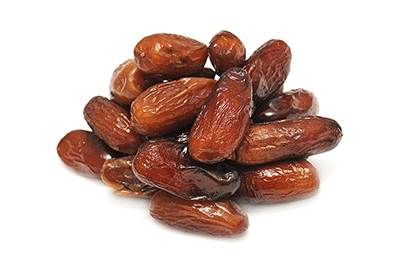
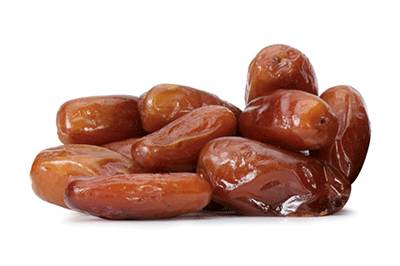
Each variety serves a different commercial purpose. Fresh Mazafati dates are widely selected for premium retail shelves because of their soft texture, rich flavor, and consumer appeal. Zahedi dates are commonly preferred for wholesale distribution and industrial applications due to their lower moisture content, long shelf life, and easier storage conditions. Rabbi dates offer an excellent balance between quality and commercial value for large-volume distribution, while Piarom dates are positioned as a premium export variety for specialty retailers and high-end food markets.
For professional buyers in Belarus, the choice of date variety is influenced not only by consumer preferences but also by storage capacity, transportation requirements, inventory turnover, and distribution strategy. Importers often combine fresh and semi-dry varieties to serve different customer segments throughout the year while optimizing warehouse management and supply continuity.
Reliable export logistics, consistent product specifications, and the ability to supply multiple varieties from a single source are among the main reasons why Iranian dates remain an attractive option for Belarusian wholesalers, distributors, and retail buyers.
Explore Our Export-Grade Iranian Date Varieties
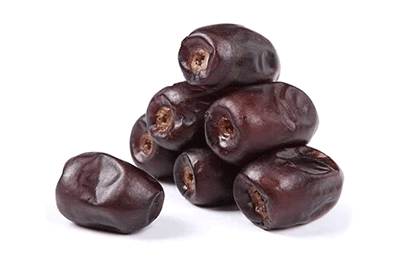
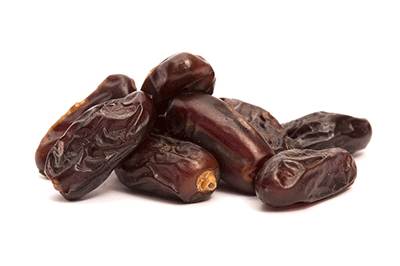

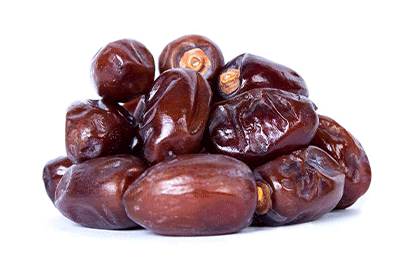



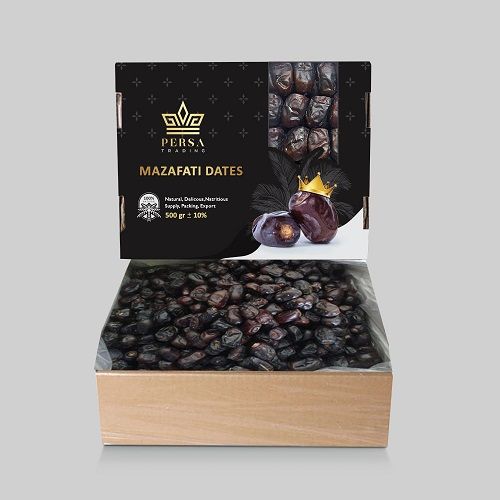
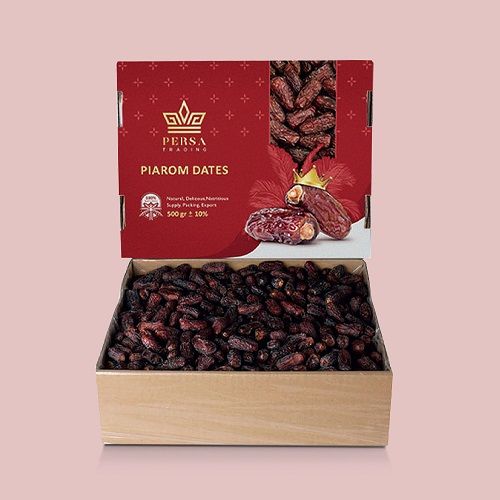
Private Label (OEM) Packaging for the Belarusian Retail Market
Many Belarusian importers supply supermarket chains, specialty food retailers, and wholesale distribution networks that require products to be delivered under their own brand identity. In these cases, packaging is not simply a protective layer—it serves as a key commercial asset that influences product presentation, regulatory compliance, and retail acceptance.
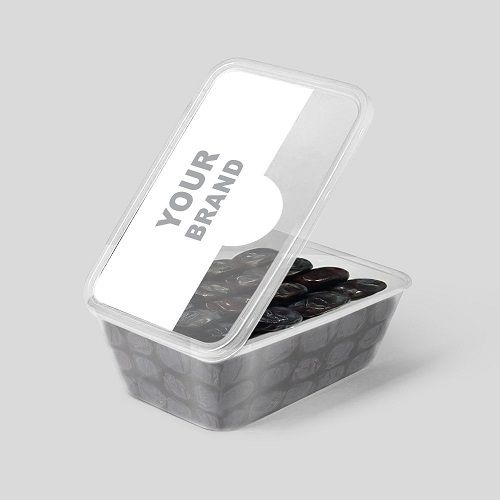
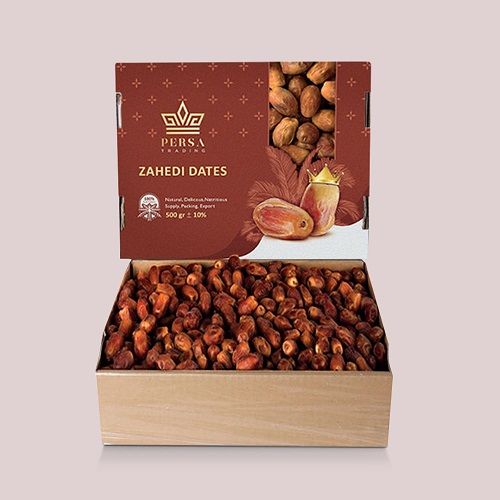
PERSA provides comprehensive Private Label (OEM) packaging solutions for buyers looking to develop or expand their own retail date brands in Belarus. Our production capabilities support both bulk export packaging and consumer-ready retail packaging designed for modern food retail environments.
Custom Packaging and Branding Options
Our private label services include a wide range of packaging and branding solutions tailored to the buyer’s commercial requirements, including:
- Custom retail cartons and bulk export cartons
- Private brand logo printing
- Russian-language product labeling
- Multilingual packaging upon request
- Barcode (EAN) printing
- Batch number and production date printing
Pallet stretch wrapping and corner protection
Export shipping marks and carton identification
Packaging artwork is prepared according to the buyer’s branding guidelines before production begins, ensuring consistency across every shipment.




Packaging Specifications and Shelf Life
| Packaging Configuration | Net Weight Options | Target Variety | Shelf Life (Controlled Storage) | Storage Temperature |
|---|---|---|---|---|
| Retail Consumer Box | 600 g / 650 g / 700 g | Mazafati | 12 Months | 0°C to +4°C |
| Bulk Cartons | 5 kg / 10 kg | Zahedi | 18 Months | +5°C to +15°C |
| Bulk Cartons | 5 kg / 10 kg | Rabbi | 18 Months | +5°C to +15°C |
| Bulk / Retail Box | Custom / 5 kg | Piarom | 15–18 Months | +5°C to +15°C |
Operational Standard: Production lead time for custom private label packaging runs is approximately 7 to 10 working days from the date of formal design and order confirmation, allowing predictable inventory planning.
Russian-Language Labeling for the Belarusian Market
Because Russian remains the primary language used in Belarusian wholesale and retail food distribution, product labels are typically prepared in Russian to facilitate market acceptance and downstream distribution. Depending on the buyer’s requirements, labels may include: Product name Country of origin Ingredients Net weight Production and expiry dates Storage instructions Batch identification Importer information (where required) Additional languages may also be incorporated for products intended for redistribution within other Eurasian Economic Union (EAEU) markets.Reliable Wholesale Date Supply and Commercial Terms
Reliable Year-Round Dates Supply from Iran
Agricultural products are naturally influenced by harvest seasons, weather conditions, and market demand. For importers supplying supermarkets, wholesalers, and food manufacturers, maintaining a continuous supply is often more important than obtaining the lowest spot-market price.
PERSA focuses on long-term supply planning supported by structured production scheduling and contract-based procurement programs. This approach helps buyers secure consistent product availability throughout the year while reducing the risk of seasonal shortages and unexpected supply interruptions.
For recurring customers, shipment schedules can be coordinated according to annual purchasing plans, allowing importers to maintain stable inventory levels and improve demand forecasting.
Flexible Incoterms for Belarusian Importers
To accommodate different purchasing models and logistics capabilities, PERSA supports multiple internationally recognized Incoterms depending on the buyer’s preferred delivery structure.
Common commercial terms include:
- FCA (Free Carrier)
- FOB Bandar Abbas
- FOB Bandar Anzali
- CIF Minsk (upon agreement)
The appropriate Incoterm is selected according to the agreed logistics arrangement, transportation route, and the buyer’s preferred level of shipping responsibility.
International Payment Arrangements
International transactions are structured according to mutually agreed commercial terms and the practical banking requirements of each customer.
PERSA offers flexible payment arrangements based on factors such as the destination country, banking accessibility, contract value, and the buyer’s preferred settlement method. Specific payment structures are agreed individually during commercial negotiations to ensure secure and compliant international trade execution.
Long-Term Supply Partnership
Many Belarusian importers purchase dates throughout the year rather than relying on single seasonal shipments. Establishing a long-term supply relationship provides several operational advantages for both parties, including:
- More predictable production planning
- Stable product specifications across multiple shipments
- Improved inventory management
- Better container booking and logistics coordination
- Reduced exposure to seasonal market fluctuations
- Greater supply continuity for retail and wholesale operations
This collaborative approach enables importers to build more resilient supply chains while maintaining consistent product availability for their customers.
Export Documentation and Customs Compliance
Export Documents for Belarus Shipments
Successful customs clearance begins with accurate export documentation. PERSA prepares the standard export documents required for international date shipments to Belarus, helping buyers complete the import process efficiently.
The standard documentation package typically includes:
- Commercial Invoice
- Packing List
- Certificate of Origin
- Phytosanitary Certificate
- Health Certificate
- Bill of Lading, CMR, or Rail Waybill (depending on the transportation method)
Additional documents can be prepared upon request if required by the buyer or the selected logistics route.
Customs Responsibilities
PERSA is responsible for preparing export documentation and completing export customs procedures in Iran. The importer or its appointed customs broker is responsible for customs clearance in Belarus, including local regulatory requirements, import duties, taxes, and any additional declarations required by the destination authorities.
Accurate documentation and close coordination between the exporter and importer help reduce the risk of customs delays and ensure smoother cargo movement throughout the supply chain.
Frequently Asked Questions About Exporting Iranian Dates to Belarus
What is the minimum order quantity (MOQ) for bulk dates exports to Belarus?
Our recommended minimum order quantity is one 20ft refrigerated container. This allows the cargo to remain under a dedicated cold chain throughout transportation while optimizing shipping costs and maintaining product quality.
Which Iranian date varieties are most suitable for the Belarusian market?
The most commonly exported varieties include Mazafati, Zahedi, Rabbi, and Piarom. Mazafati is popular for premium retail, while Zahedi and Rabbi are widely used for wholesale distribution and food processing due to their longer shelf life and lower moisture content.
Can different date varieties be loaded in the same container?
Yes. Mixed-container shipments can be arranged depending on the order quantity and packaging configuration. This allows importers to supply different customer segments while optimizing container utilization.
Does Mazafati require refrigerated transportation?
Yes. Mazafati is a fresh date variety with relatively high moisture content and should be transported in refrigerated containers maintained between 0°C and +2°C to preserve texture, flavor, and shelf life throughout the journey.
Do you provide private label (OEM) packaging?
Yes. PERSA offers private label packaging, custom retail boxes, bulk export cartons, Russian-language labeling, barcode printing, and customized branding solutions for wholesalers, distributors, and retail chains.
Do you provide Russian-language packaging for Belarus?
Yes. Product labels can be prepared in Russian, which is widely used in the Belarusian retail and wholesale market. Multilingual labeling is also available when required for distribution within other EAEU countries.
What export documents are provided with each shipment?
PERSA supplies the standard export documentation required for international trade, including the Commercial Invoice, Packing List, Certificate of Origin, Phytosanitary Certificate, Health Certificate, and the appropriate transport documents based on the selected shipping method.
Which Incoterms are available for shipments to Belarus?
Depending on the commercial agreement, shipments can be arranged under FCA, FOB Bandar Abbas, FOB Bandar Anzali, or CIF Minsk. The most suitable Incoterm depends on the buyer’s logistics capabilities and preferred shipping arrangement.
What payment methods are available for international buyers?
Payment arrangements are determined individually based on the destination country, banking accessibility, and agreed commercial terms. PERSA offers flexible international payment solutions tailored to each transaction.
Can imported dates be redistributed from Belarus to other EAEU countries?
Yes. Many importers use Belarus as a regional distribution hub. After import customs procedures are completed, products may be distributed within the Eurasian Economic Union (EAEU) in accordance with the applicable regulations and the buyer’s distribution network.
Dates
Request Bulk Dates Pricing for Belarus Importers
Contact us! Our sales team will reach out as soon as possible.