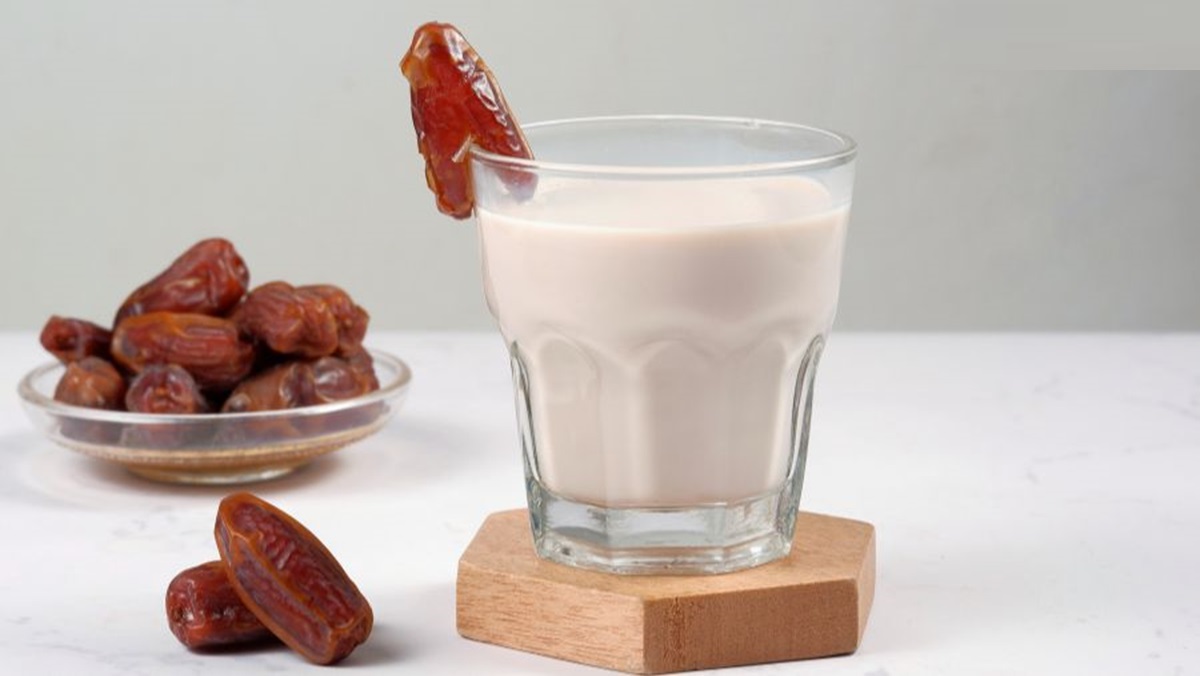

Milk and Date Diet: Searching for an easy and affordable way to lose weight without complicated meal plans? The milk and dates diet has gained attention as a minimalist approach that relies on just two natural foods: milk and dates. This diet is especially appealing to people who don’t have the time or budget to follow complex weight-loss programs but still want effective results.
Dates such as Piarom dates, Zahedi dates, and Mazafati dates of Bam are not only naturally sweet but also rich in fiber, essential minerals, and natural sugars that help maintain energy levels while dieting. When combined with milk, which provides protein and calcium, this simple pairing can support satiety and reduce unhealthy snacking throughout the day.
In this article, we take a scientific look at the milk and dates diet, explaining how it works, who it may be suitable for, and what benefits or limitations it may have. By examining both the advantages and potential drawbacks, we aim to give you a clear and realistic understanding of whether this diet can be an effective option for sustainable weight loss.
Vitamins and Minerals Found in Milk
Milk as a part of milk and date diet, is widely recognized as a high-quality protein source because it contains all nine essential amino acids required by the human body. It also provides key nutrients necessary for maintaining strong bones, including calcium, potassium, protein, and vitamin K2.
Thanks to its rich protein content, milk helps promote a feeling of fullness, which can reduce overeating and support weight-loss efforts. Additionally, milk plays a role in appetite control by influencing hormones related to hunger.
Calcium, one of milk’s most important minerals, has been linked to improved fat metabolism and may help accelerate the breakdown of stored fat. Milk also stimulates the release of peptide YY, a hormone that suppresses appetite, allowing individuals to go longer periods without feeling hungry.
Nutritional Value of Dates
Dates are packed with essential vitamins and minerals that make them a nutrient-dense natural food. According to a clinical study published in 2020, consuming up to three dates per day does not lead to an increase in Body Mass Index (BMI). This suggests that moderate date consumption is unlikely to cause weight gain.
On average, 100 grams of dates (approximately four dates) provide:
- Around 277 calories
- Minimal fat content (about 0.15 g)
- Natural carbohydrates for energy
- Approximately 6.7 g of dietary fiber
- Vitamin A and vitamin B6
- Important minerals such as potassium, magnesium, copper, and manganese
This amount of dates can supply about 14% of daily calorie needs, along with 27% of daily carbohydrates, 24% of fiber, 15% of potassium, and a small portion of daily protein requirements.
Beyond basic nutrients, research from 2013 highlights that dates also contain beneficial bioactive compounds, including:
- Enzymes, which help speed up chemical reactions in the body
- Carotenoids, natural pigments that support various biological functions
- Phenolic acids, known for their antioxidant properties that combat oxidative stress
These components contribute to the overall health benefits of dates, making them more than just a natural sweetener.
Benefits of the Milk and Dates Diet
Like any eating plan, the milk and dates diet comes with both strengths and limitations. That’s why it’s always smart to consult a nutrition professional before starting this or any other weight-loss program, especially to make sure it matches your body’s needs. Below, we take a closer look at the potential advantages of the milk and dates diet from a scientific perspective.
Supports Heart Health and Cholesterol Control
Regular consumption of dates has been linked to improved blood lipid profiles. A study published in 2020 found that individuals who included dates in their daily diet showed lower levels of LDL cholesterol, commonly known as “bad cholesterol.” Since elevated LDL is a major risk factor for cardiovascular disease, combining dates with milk may contribute to better heart health over time.
Helps Reduce Inflammation
Chronic inflammation can interfere with metabolism and make weight gain more likely. Research from 2019 suggests that dates may help reduce inflammation and ease symptoms associated with long-term inflammatory conditions. This effect is believed to be related to dates’ antioxidant compounds, which also support immune system balance.
Provides Sustained Energy Despite Calorie Restriction
Dates are more calorie-dense than most fresh fruits, with much of their energy coming from natural carbohydrates and small amounts of protein. About 100 grams of dates deliver roughly 277 calories, making them a reliable energy source during low-calorie diets. When paired with milk, this combination helps prevent fatigue and weakness while dieting.
May Help Control Appetite
Some scientific findings suggest that certain compounds in dates can reduce the activity of pancreatic lipase—an enzyme involved in fat digestion. Lower activity of this enzyme has been associated with reduced appetite, which may explain why the milk and dates diet can help limit overeating.
High Fiber Content and Digestive Support
The fiber found in dates plays a key role in improving digestion, promoting regular bowel movements, and preventing constipation. In addition, both milk and dates contain minerals such as calcium, potassium, magnesium, and phosphorus, which are essential for maintaining bone strength and overall health. Studies also indicate that consuming these foods may support brain function, helping reduce mental fatigue often experienced during calorie-restricted diets.
Weekly Weight Loss Plan Based on Milk and Dates
Option One: Simple Three-Meal Plan
In this approach, the same structure is followed every day of the week. The daily meals are kept minimal and consistent:
Breakfast: 7 dates with one glass of low-fat milk
Lunch: 7 dates with one glass of low-fat milk
Dinner: 7 dates with one glass of low-fat milk
This method focuses on simplicity and strict portion control, making it easy to follow for a short period.
Option Two: Five-Meal Plan
The second approach spreads food intake across the day by including two snacks in addition to three main meals. This helps maintain fullness and reduces hunger between meals.
Breakfast (7–9 a.m.): 5 dates with one glass of milk
Mid-morning snack (12 p.m.): 3 dates with one glass of milk
Lunch (3 p.m.): 5 dates with one glass of milk
Afternoon snack (6 p.m.): 3 dates with one glass of milk
Dinner (9 p.m.): 5 dates with one glass of milk
Unsweetened tea, coffee, and herbal infusions are allowed during this diet, but adding sugar or sweeteners should be avoided. Adequate hydration is also essential—at least 8 glasses of water per day are recommended while following this plan.
Final Thoughts
The milk and dates diet can be a simple and practical option for short-term weight management, but like any dietary plan, it is not suitable for everyone. If you have an underlying medical condition, are taking medication, or have specific nutritional needs, it is essential to consult your doctor or a qualified healthcare professional before starting this or any other diet.
Beyond dieting, dates have earned a strong place in diets around the world due to their rich nutritional profile, natural sweetness, and versatility. As global awareness of healthy, natural foods continues to grow, dates have become increasingly popular across international markets. This rising demand has led to steady growth in the date wholesale industry, reflecting the trust consumers place in this ancient fruit. Their worldwide popularity is no coincidence—dates offer a unique combination of taste, health benefits, and natural energy that few foods can match.