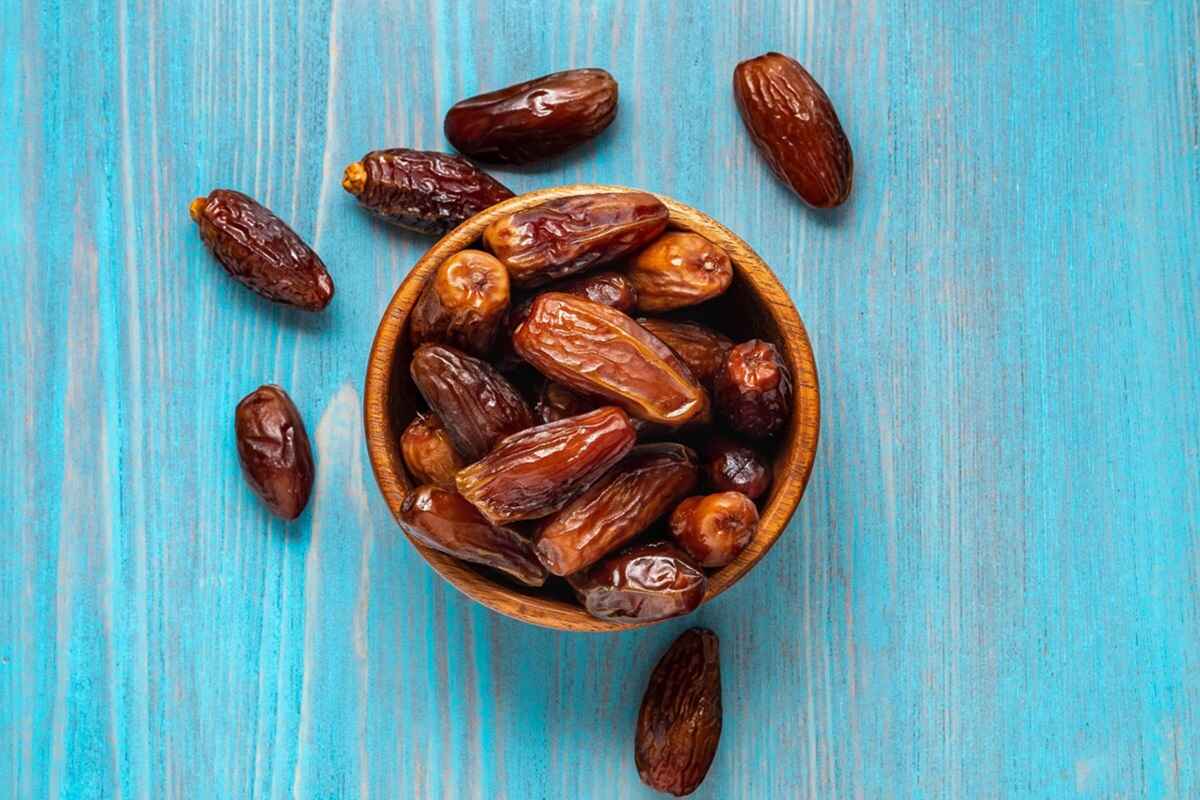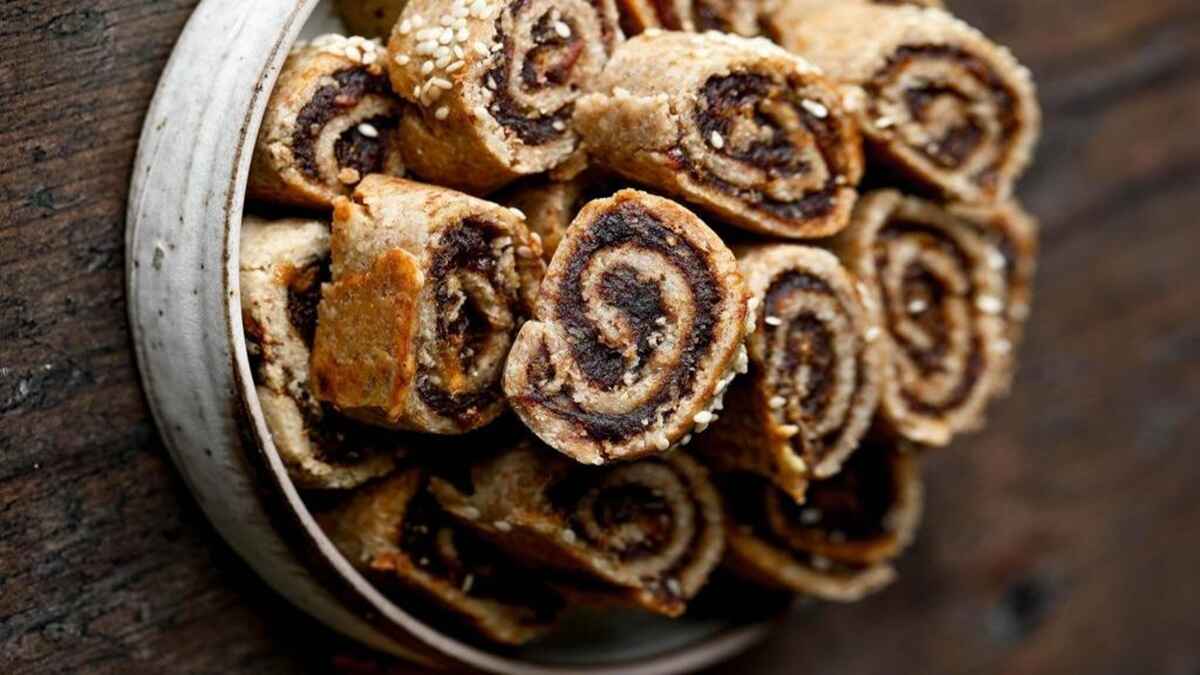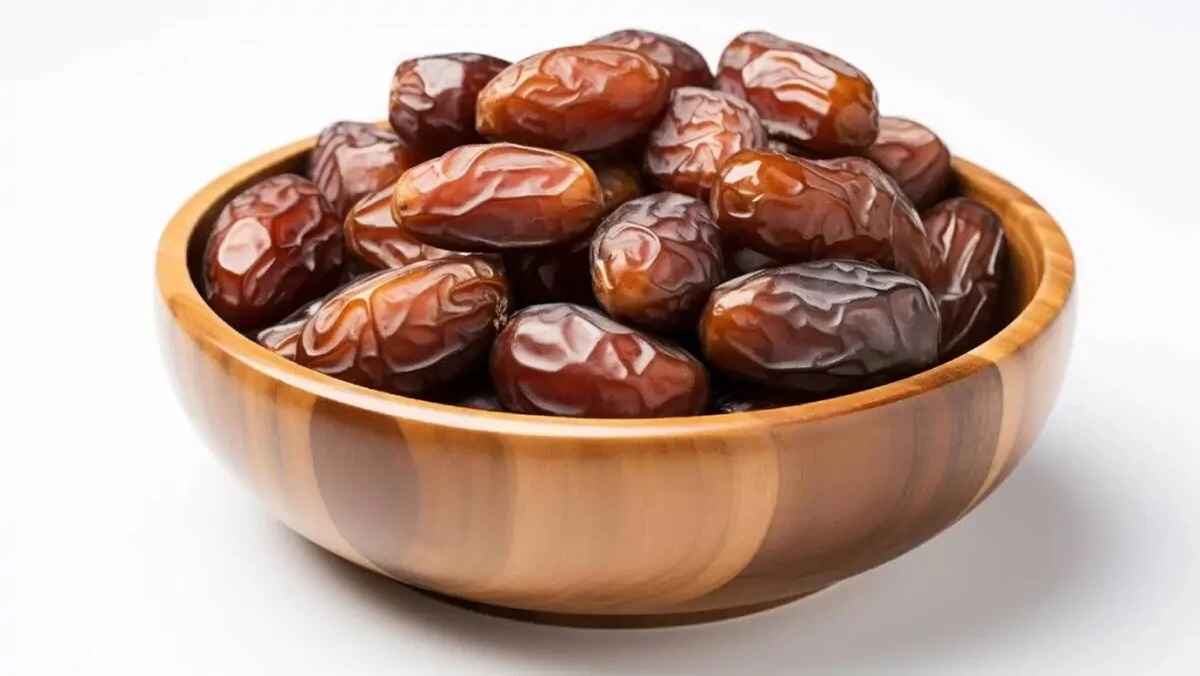

Dates are widely known for their high natural sugar content, and dried dates generally contain more calories than fresh ones due to their lower water content. One interesting fact about dates is that they go through several distinct stages of development. The unripe stage of the fruit is known by names such as Kharak, Khark, or Kang. The stage just before full ripeness is called Rutab, which contains more moisture and a lower sugar concentration compared to fully ripe dates.
Dates are a tropical fruit with the scientific name Phoenix dactylifera. They grow on tall palm trees and are considered one of the most valuable and beneficial fruits in the world due to their rich nutritional profile and long history of use.
Often classified as dried fruits, dates are highly nutritious and naturally delicious. The word “date” is believed to originate from the Greek word daktulos, meaning “finger,” a reference to the fruit’s elongated, finger-like shape.
Dates are among the oldest cultivated fruits in human history, with their origins tracing back thousands of years to the Middle East and North Africa. For centuries, they have been a staple food in many cultures. Today, dates are praised for their numerous health benefits. They can help improve digestion, support heart health by helping to regulate blood pressure, strengthen bones, and assist in maintaining balanced blood sugar levels. In addition, dates are rich in antioxidants, dietary fiber, potassium, calcium, magnesium, and essential vitamins such as A, B-complex, C, and E.
Popular Types of Dates and Their Characteristics
There are many varieties of dates around the world, each with its own unique flavor, texture, and appearance and dates wholesale in all types is thriving. Some of the most well-known types include:
Mazafati Dates
Mazafati dates are medium-sized, very moist, and known for their deep black color and soft, juicy texture. Their flavor is rich, caramel-like, and slightly creamy, making them one of the most flavorful varieties. These dates are typically consumed fresh and are ideal for cold storage, as their high moisture content helps preserve their soft texture. They are commonly enjoyed as a natural energy snack.
Kabkab Dates
Kabkab dates are large, soft dates with a dark brown color and a rich, honey-like sweetness. They have a tender flesh and a pleasant, chewy texture. These dates are very popular for daily consumption and are often eaten on their own, added to smoothies, or used in traditional desserts. They can be enjoyed both fresh and dried.
Zahedi Dates
Zahedi dates are smaller and drier compared to many other varieties. They have a yellow to light brown color and a mildly sweet, slightly nutty flavor. Because of their firm texture and lower moisture content, Zahedi dates have a longer shelf life and are often used in cooking, baking, and in the production of date syrup and date sugar. They are also a good option for people who prefer less sweet dates.
Piarom Dates
Piarom dates are medium-sized, semi-dry dates with a thin skin and a dark brown to almost black color. They have a rich, complex flavor that is often described as similar to chocolate, caramel, or toffee. Due to their premium quality and distinct taste, Piarom dates are usually enjoyed as a luxury snack or served with nuts and coffee. They are also popular in gourmet desserts and gift boxes.
10 Interesting Facts About Dates
Dates are an extraordinary gift from nature. The more you learn about them, the more you appreciate their unique qualities. For this reason, we have gathered some of the most fascinating and surprising facts about dates to share with you.
1. One of the Oldest Cultivated Fruits
Dates are among the oldest cultivated fruits in the world. Fossil evidence suggests that date palms existed nearly 50 million years ago, showing just how ancient and resilient this fruit really is.
2. Incredible Productivity of Date Palm Trees
A mature date palm tree can produce between 200 to 300 pounds of fruit in a single season, which can equal up to 10,000 dates. Even more impressive, date palms can be harvested several times during one growing season, with each harvest yielding at least 1,000 fruits.
3. A Major Global Crop
Date palm plantations cover around 3% of the world’s cultivated land, and approximately four million tons of dates are produced worldwide every year.
4. Remarkable Tree Size
Date palm trees are not only productive but also impressive in size. They can grow to a height of 21 to 23 meters (69 to 75 feet) and can reach a trunk circumference of nearly 30 feet.
5. Popularity in Ancient Roman Gardens
Because of their tropical beauty, date palms were highly valued in ancient Roman-style gardens. In regions like Italy, the climate was too mild for reliable fruit production, so these trees were mainly planted for decorative purposes rather than for harvesting dates.
6. Symbol of Victory in Ancient Rome
In ancient Rome, palm branches were used in victory parades and celebrations as powerful symbols of triumph, honor, and success.
7. The Origin of the Name “Date”
The English word “date” (influenced by Old French) and the Latin name for the fruit both originate from the Greek word “daktulos”, which means “finger,” a clear reference to the fruit’s long, finger-like shape.
8. A Perfect Food for Long Journeys
Throughout history, people relied on dates during long sea voyages, desert travels, and even sieges in castles. Properly stored dates can last for years, making them an ideal survival food in extreme conditions.
9. A Complete Survival Food
One of the most fascinating facts about dates is that an adult human could survive on as few as 15 dates per day, as they provide many essential minerals and vitamins needed by the body!
10. Date Syrup: A Natural Sweetener
Due to the worldwide popularity of dates, many people enjoy using date syrup, which is made from crushed dates. Date syrup is a rich source of vitamins and minerals and contains high levels of iron, potassium, copper, manganese, and magnesium. It is considered a healthier alternative to refined sugar and is especially delicious when added to raw cakes, plain yogurt, fresh cheese, vanilla ice cream, and smoothies.