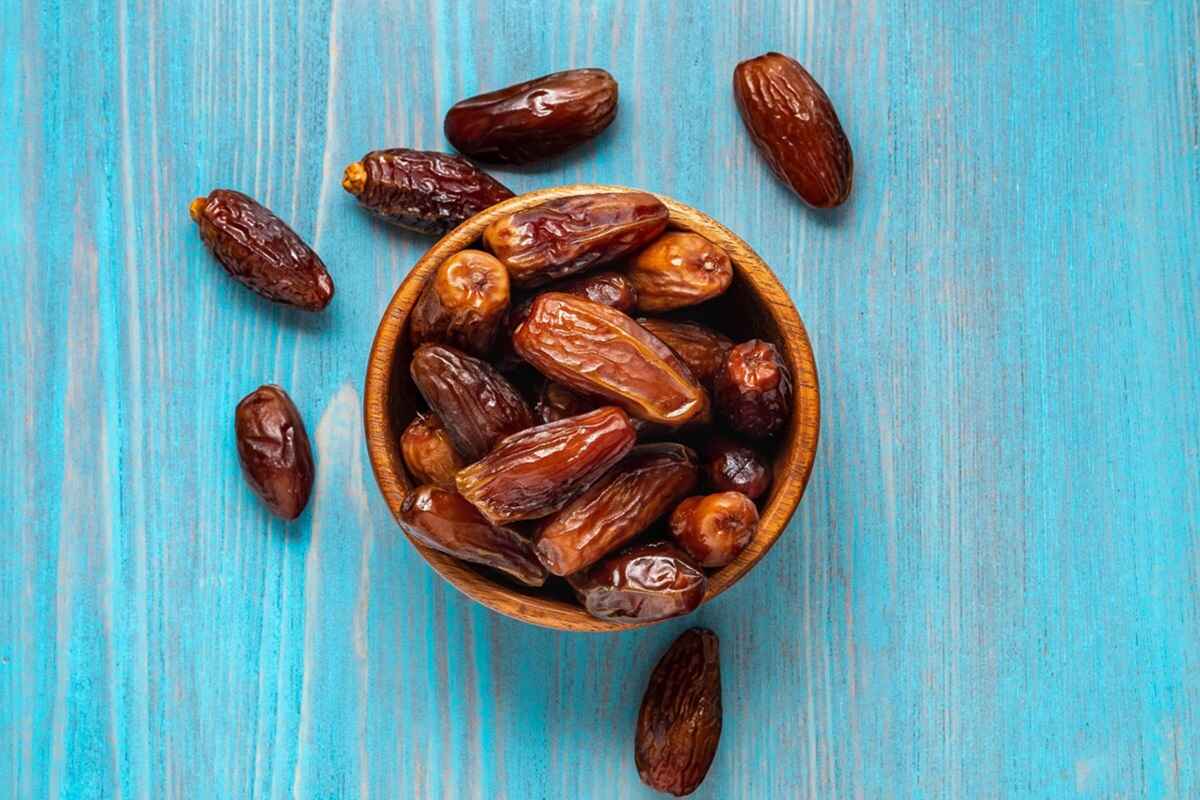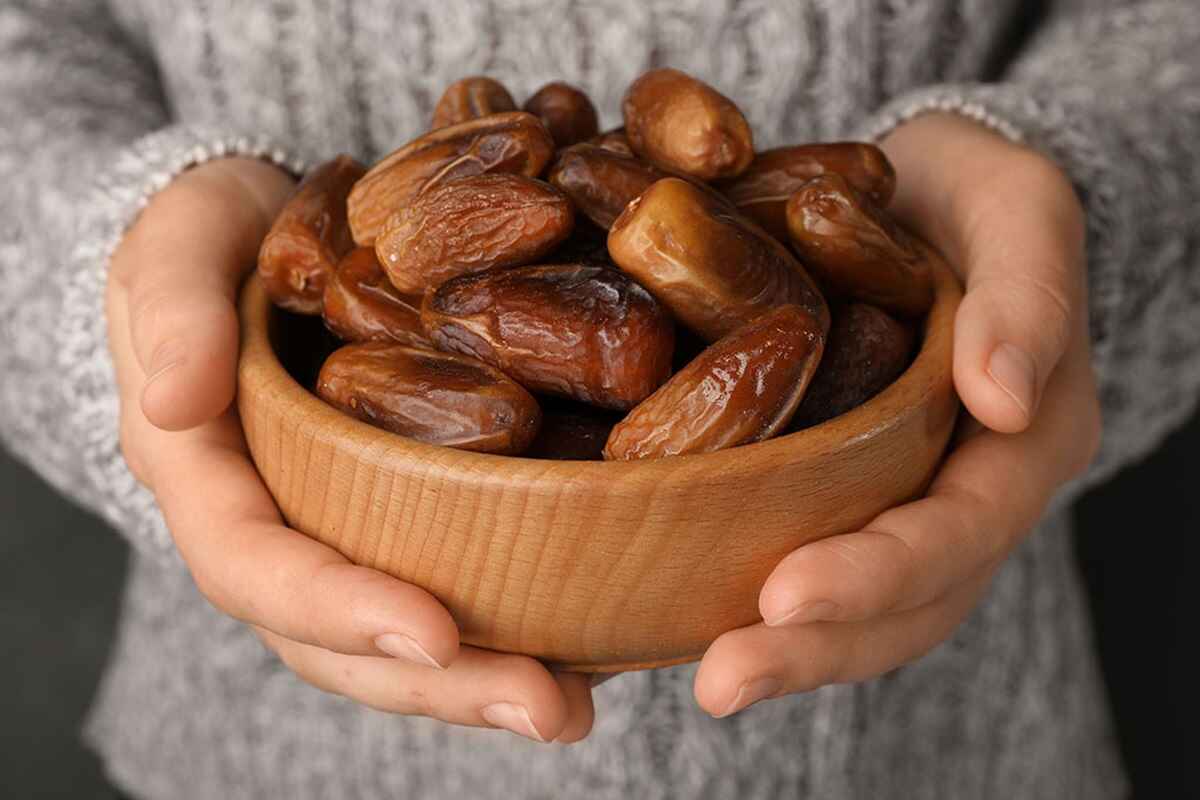

Dates are one of the most beloved and nutritious fruits, cherished for their natural sweetness, rich texture, and impressive health benefits. From Mazafati Bam to Piarom dates and Zahedi dates, each variety brings a unique flavor and texture that makes them perfect for snacking, baking, or cooking. While fresh dates are delicious on their own, drying them not only extends their shelf life but also intensifies their natural sweetness and makes them a convenient, long-lasting snack.
Whether you are a home cook looking to preserve your harvest or simply want to enjoy high-quality dried dates throughout the year, knowing how to make dried dates can be a game-changer. Drying dates at home allows you to control the quality, hygiene, and flavor, ensuring that you get the most nutritious and delicious results. Additionally, dried dates are easier to store, transport, and use in a variety of recipes—from energy balls and smoothies to traditional desserts.
In this guide, we will take you step by step through the best methods for drying dates, highlight the different varieties suitable for drying, and share tips for achieving perfect texture and sweetness. By the end, you’ll be ready to enjoy homemade dried dates that are just as flavorful and nutritious as those from premium date suppliers like Persa Trading. Stay with us to unlock the secrets of preparing and enjoying your own dried dates!
How to Make Dried Dates: A Complete Guide to Preserving Sweetness and Nutrition
Dried dates are one of the most versatile and nutrient-rich fruits, loved not only for their natural sweetness but also for their long shelf life and health benefits. By removing moisture from fresh dates, you can enhance their flavor, concentrate their natural sugars, and preserve vital nutrients. Varieties like Mazafati dates from Bam, Piarom, and Zahedi dates each bring unique taste and texture, ranging from soft and chewy to firmer and more robust.
Whether you are looking to store dates for daily snacking, cooking, or gifting, understanding how to make dried dates ensures that you maintain both quality and flavor in every bite.
Traditional Sun-Drying Method
Sun-drying is one of the oldest and most natural ways to dry dates. This method relies on the heat of direct sunlight to gradually remove moisture from the fruit.
Steps to follow:
- Select the right dates: Semi-dry varieties like Zahedi dates, Piarom, and Khassoui work best for sun-drying.
- Wash and sanitize: Clean dates thoroughly and let them drain.
- Arrange on trays or mesh: Spread dates evenly in a sunny location.
- Turn regularly: Rotate the dates several times a day for uniform drying.
- Cover lightly: Protect the dates from dust and insects with a thin cloth or mesh.
- Drying time: Depending on sunlight and date moisture, the process may take 7–14 days.
- Collect and store: Once fully dried, store in airtight containers.
Oven or Dehydrator Drying
When sun-drying isn’t feasible, an oven or food dehydrator offers a reliable alternative.
Procedure:
- Preheat the oven to 60–70°C, the optimal range for drying without losing nutrients.
- Place dates on a baking tray with space between each piece.
- Keep the oven door slightly open to allow moisture to escape.
- Check and rotate dates every hour.
- After 6–8 hours, dates will be fully dried.
- Let them cool before storing in airtight containers.
Industrial Drying for Consistency
For commercial production, industrial dehydrators are used to dry dates efficiently while maintaining quality.
Benefits of industrial drying:
- Faster drying times
- Precise moisture control
- Hygienic processing
- Consistent texture and flavor preservation
Health Benefits of Dried Dates
Dried dates are not just delicious—they are also packed with nutrients:
- Rich energy source: Natural sugars like glucose and fructose provide quick energy.
- Digestive support: High fiber content aids gut health and prevents constipation.
- Immune support: Vitamins A, B, C, and minerals such as potassium, magnesium, and iron help strengthen immunity.
- Blood sugar regulation: Despite their sweetness, dates have a low to moderate glycemic index, making them suitable for most people.
- Heart health: Can help manage cholesterol levels and support blood pressure.
- Bone strength: Rich in calcium and phosphorus, dates contribute to strong bones.
Storage Tips for Dried Dates
Keep in a cool, dry place away from moisture.
Refrigerate or freeze for longer shelf life.
Avoid exposure to humidity to prevent mold.
Use airtight containers or vacuum-sealed bags for extended storage.
Store in clean glass or plastic containers to maintain hygiene.
Final Thoughts
Dried dates are a nutrient-dense, naturally sweet snack that can be prepared at home using sun-drying, oven drying, or dehydrators. They are a healthier alternative to processed sweets and provide lasting energy along with numerous health benefits. By following proper drying and storage techniques, you can enjoy homemade dried dates like Mazafati dates, Piarom, and Zahedi dates all year round. Mastering how to make dried dates is a simple yet rewarding way to preserve one of nature’s sweetest gifts.