
There’s no doubt that dates rank among the most nutrient-dense foods on the planet. Over the past few years, this humble fruit has gained remarkable popularity across different regions of the world, turning the global dates wholesale and retail market for dates into a thriving industry. If you’re someone who enjoys dates or wants to add them to your daily diet, you’ve probably wondered about one thing: how can you make sure the dates you’re buying are actually high-quality?
After all, not everyone has the chance—or even wants—to taste dates before purchasing them. That’s why knowing how to assess quality without eating them is incredibly important. In this article, we’ll walk you through clear, practical tips that help you identify top-grade dates just by looking at them, so you can always pick the best ones available.
How to determine the quality of dates without tasting them?
Figuring out the quality of dates without actually tasting them might sound like some kind of fruit-related superpower, but it’s surprisingly doable once you know what to look for. Dates have their own visual language: the skin, the shine, the texture, even the way they sit next to each other in a box all reveal clues about how fresh and well-handled they are.
Before you rely on flavor, you can rely on signs that are far more consistent and reliable. This introduction sets the stage for a simple truth: with a little awareness, you can judge dates almost as well with your eyes and hands as you can with your mouth. Now it’s time to break down the methods that make this trick possible.
Identifying high-quality dates without tasting them is absolutely possible—all it takes is a bit of attention to the subtle signals that good dates naturally show. These visual and physical cues act like a built-in quality checklist, and once you learn to read them, choosing premium dates becomes surprisingly easy. Below is an expanded and detailed guide that explains exactly what to look for before making a purchase:
Color of the Dates
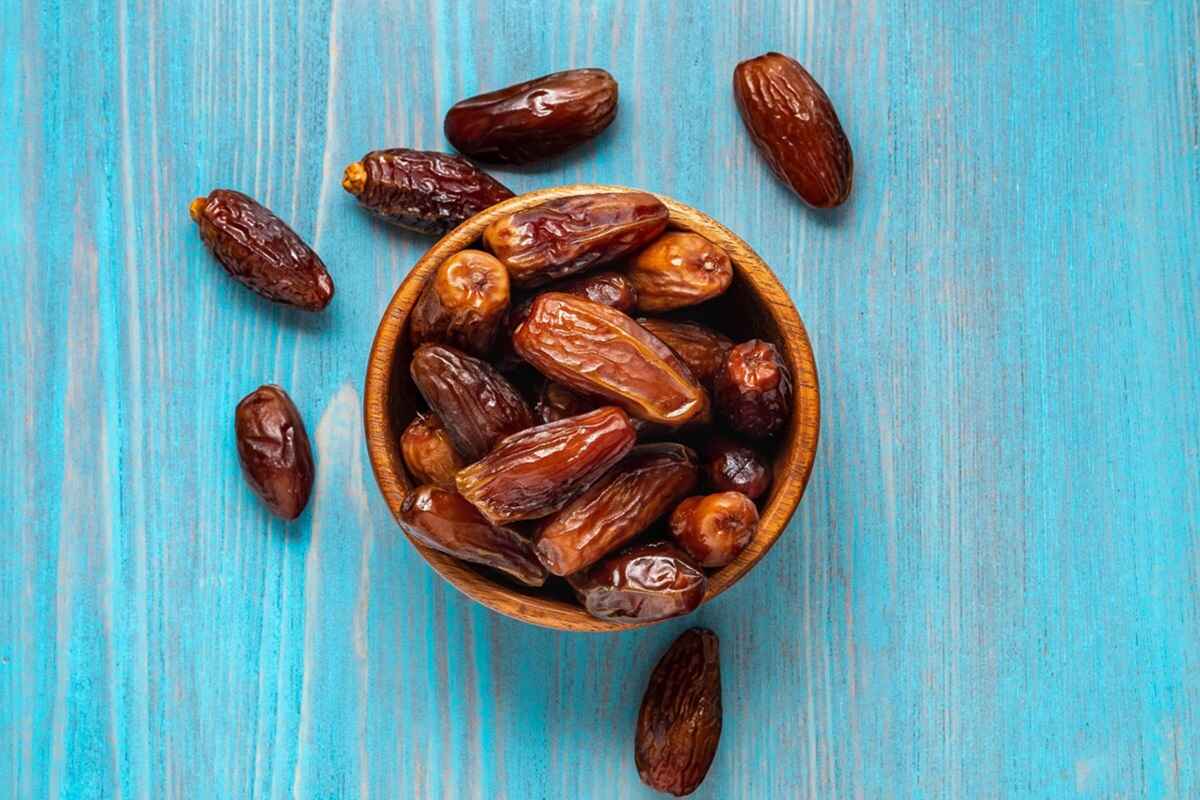
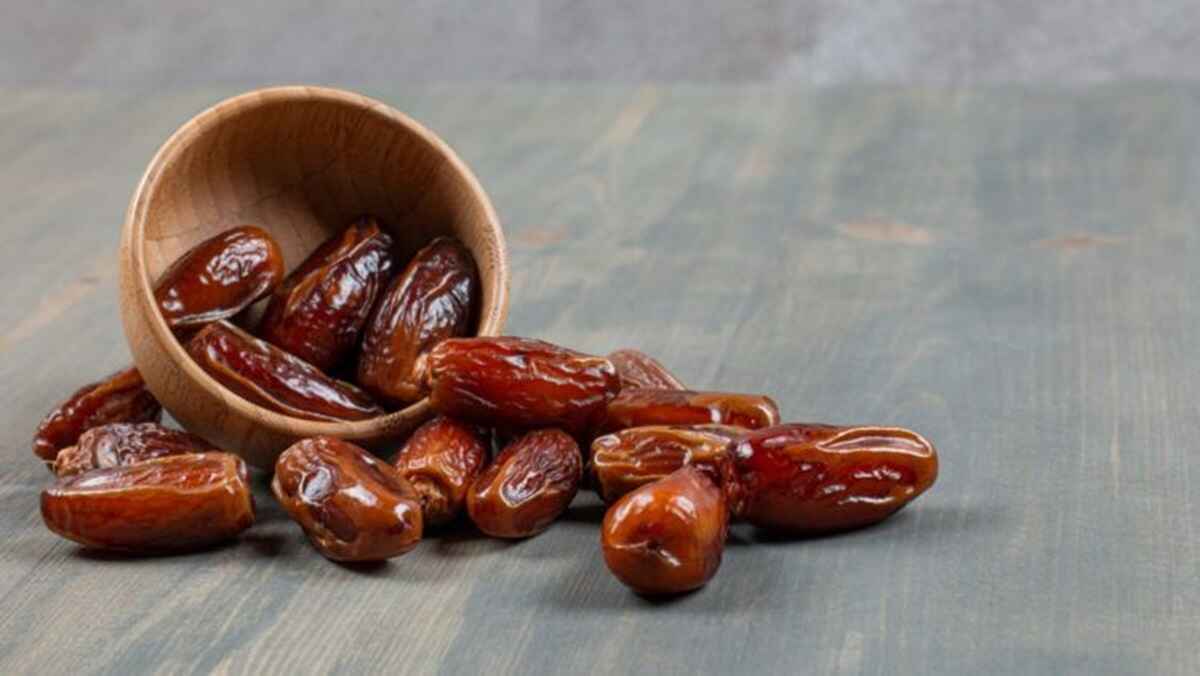
One of the strongest indicators of quality is color. High-quality dates usually display a deep, even shade of brown that is consistent across the entire fruit. This uniform tone suggests proper ripening and correct handling during harvesting and storage. Watch out for unusual discolorations such as very light patches, extremely dark spots, white or black streaks, or any irregular tones that break the uniformity. About 20% of visual quality evaluation comes directly from noticing the color.
Natural Nectar (Surface Moisture)
Good dates typically carry a thin layer of natural, sticky nectar that forms naturally as the fruit matures. This moisture shouldn’t be excessive or watery; instead, it should feel balanced and lightly glossy. Too much syrup often suggests poor storage conditions or over-ripeness, while watery nectar can indicate fermentation or spoilage. Roughly 15% of quality identification is linked to observing this surface nectar.
Packaging Conditions
Packaging speaks volumes about the care taken during processing. High-quality dates should be stored in clean, sturdy, and fully sealed packaging without tears, dents, or contamination. Proper labels, including production and expiration dates, are essential signs of professional handling. Weak or damaged packaging often means the product hasn’t been protected correctly. About 10% of your quality judgment comes from evaluating packaging alone.
Aroma of the Dates
Although you’re not tasting them, smell still plays a small role in detecting quality. Premium dates carry a mild, pleasant, naturally sweet aroma. Any sour, moldy, sharp, or unpleasant smell is a direct warning sign of low quality or improper storage. Even though this factor accounts for only about 5% of identification, it’s still important and easy to check.
Overall Appearance and Skin Texture
High-quality dates look healthy and well-maintained. Their skin should appear smooth, fresh, and free from deep wrinkles, scratches, or bruising. A bit of natural wrinkling is normal for some varieties, especially semi-dry or dry types, but the fruit should never look damaged, dull, or dehydrated. Around 10% of identification relies on this general visual inspection.
Common Types of Dates
Dates come in several well-known varieties, each with its own texture, sweetness, and ideal use. Mazafati dates from Bam is soft, moist, and naturally syrupy—great for fresh eating. Piarom date is a premium semi-dry variety with smooth skin and a balanced, elegant sweetness, making it highly prized in export markets. Kabkab is sweet, sticky, and often used in cooking or for producing date syrup. Sayer dates (Estameran) is semi-dry and extremely durable during transport, which makes it a major choice for large-scale trade.
And then there’s Zahedi dates, one of the most popular dry varieties. It has a firm texture, a mild sweetness, and a golden-brown color. Because it’s low-moisture and very resistant to spoilage, Zahedi is ideal for long-term storage, shipping, and high-volume markets.
Each variety behaves differently in terms of moisture, flavor, and shelf life, helping buyers choose the right type for snacking, cooking, or exporting.
Final Thoughts
Understanding how to judge the quality of dates without tasting them gives you a real advantage, whether you’re a casual buyer or involved in the trading industry. By paying attention to simple visual and physical indicators—like color, texture, aroma, and packaging—you can confidently choose dates that offer the best flavor, freshness, and overall value. And once you’re familiar with the characteristics of different varieties such as Piarom, Zahedi, Mazafati, and others, selecting the right type for your needs becomes even easier. With a bit of practice, choosing premium dates turns from guesswork into a straightforward, reliable skill.